The Ultimate Guide to Choosing a Smart Hydroponic Garden for Apartment Chefs
9/2/2026

The Rise of the Apartment Micro-Farm: Why Smart Hydroponics Matter
For the modern urban dweller, the dream of a farm-to-table lifestyle often hits a literal wall: the lack of outdoor space. However, the emergence of smart hydroponic technology has transformed the "apartment chef" from a consumer into a producer. Unlike traditional soil gardening, which requires significant square footage and constant manual intervention, smart hydroponic systems utilize nutrient-rich water and automated LED lighting to accelerate plant growth in compact environments.
Investing in a high-end indoor garden is not just about aesthetics; it is about food security, flavor profile control, and lifestyle efficiency. When you choose to integrate a smart planter into your kitchen or living area, you are opting for a system that manages the complexities of photosynthesis and hydration for you.
Essential Features of a Chef-Grade Indoor Hydroponic System
When selecting a system that will actually provide enough yield for cooking, you must look beyond basic desktop novelties. A chef-grade system needs to balance light spectrum, water circulation, and nutrient delivery.
Automated Full-Spectrum Lighting
Plants require specific wavelengths to thrive. Standard Ceiling Lights in an apartment do not provide the PAR (Photosynthetically Active Radiation) needed for vigorous growth. Look for systems that feature adjustable LED arrays. These should mimic natural sunlight cycles, turning on and off automatically to ensure your herbs and greens receive the 12-16 hours of light they require.
Water Circulation and Oxygenation
Stagnant water leads to root rot. High-quality smart gardens utilize a pump system to keep the nutrient solution moving, which increases oxygen levels at the root zone. This results in faster growth cycles—often 30% to 50% faster than soil-based plants.
Compact Footprint with High Yield
Space is a premium. The best units for apartment chefs are those that stack vertically or fit neatly under cabinets. Despite their small size, they should offer enough "pods" to grow a variety of crops simultaneously, such as basil, kale, and micro-tomatoes.
Strategic Placement: Integrating Greenery into Your Interior Design
A smart garden is an investment in your home’s ambiance. While these systems are functional, they also serve as living art. Integrating a PulseOutdoor Garden Planter Greenery setup within your indoor space requires a bit of planning regarding ergonomics and light.
1. Kitchen Proximity: Place your hydroponic unit as close to your food preparation area as possible. This encourages the "clip and cook" method, ensuring maximum nutrient density in your meals.
2. Stable Environments: Avoid placing your smart garden near drafty windows or heating vents. Hydroponic systems thrive in stable temperatures between 65°F and 75°F.
3. Vertical Integration: If floor space is limited, consider shelving units that can house multiple small hydroponic systems, creating a "green wall" effect.
Beyond the Kitchen: The Hydroponic Lifestyle
Living a "Verdant & Vine" lifestyle involves more than just growing lettuce. It is about a holistic approach to the home environment. As you manage your indoor garden, you may find yourself spending more time on your balcony or patio.
To make your gardening experience more comfortable, consider the ergonomic tools usually reserved for traditional gardening. For instance, even when tending to low-sitting indoor units or patio containers, a PulseOutdoor Garden Kneeling Bench can provide necessary joint support. Similarly, for those who extend their gardening to a balcony or small terrace, having a PulseGlow 1Pc Reclining Camping Chair nearby allows you to enjoy the micro-habitat you’ve created in comfort.
Maximizing Your Harvest: Tips for the Apartment Chef
To get the most out of your smart garden, you must treat it like a mini-utility. Here are several strategies to ensure you are never without fresh ingredients:
- Staggered Planting: Do not plant all your seeds at once. Plant one-third of your pods every two weeks. This creates a perpetual harvest cycle so you aren't overwhelmed with basil one week and left with nothing the next.
- Pruning for Production: Most apartment chefs are afraid to cut their plants. However, frequent pruning of the top leaves encourages the plant to grow bushier rather than taller, increasing your overall yield.
- Nutrient Monitoring: Smart systems will alert you when water is low, but it is good practice to completely flush the reservoir every four to six weeks to prevent mineral salt buildup.
- Pollination: For fruiting plants like peppers or strawberries, you may need to gently shake the plants or use a small brush to assist in pollination, as there are no bees in your kitchen.
Safety and Preparedness in the Urban Garden
While hydroponics is generally clean and safe, managing any home system involves basic maintenance and safety. Keeping a PulseOutdoor Travel First-Aid Gear Survival Tool Kit in your home is a wise move for any DIY enthusiast, covering minor nicks or scratches that can occur when handling gardening tools or assembling modular shelving.
Furthermore, consider the environment for your other "residents." If you have pets, ensure that the nutrients used in your smart garden are kept in a secure location, perhaps alongside your Pet Feeding Tools, to avoid accidental ingestion. While the plants themselves are often safe, concentrated hydroponic nutrients should be handled with care.
Transitioning to Outdoor Patio Care
As the seasons change, many apartment chefs expand their operations to the patio. Transitioning from a smart indoor system to patio planters requires a different set of skills. You will need to account for pests, wind, and fluctuating sunlight.
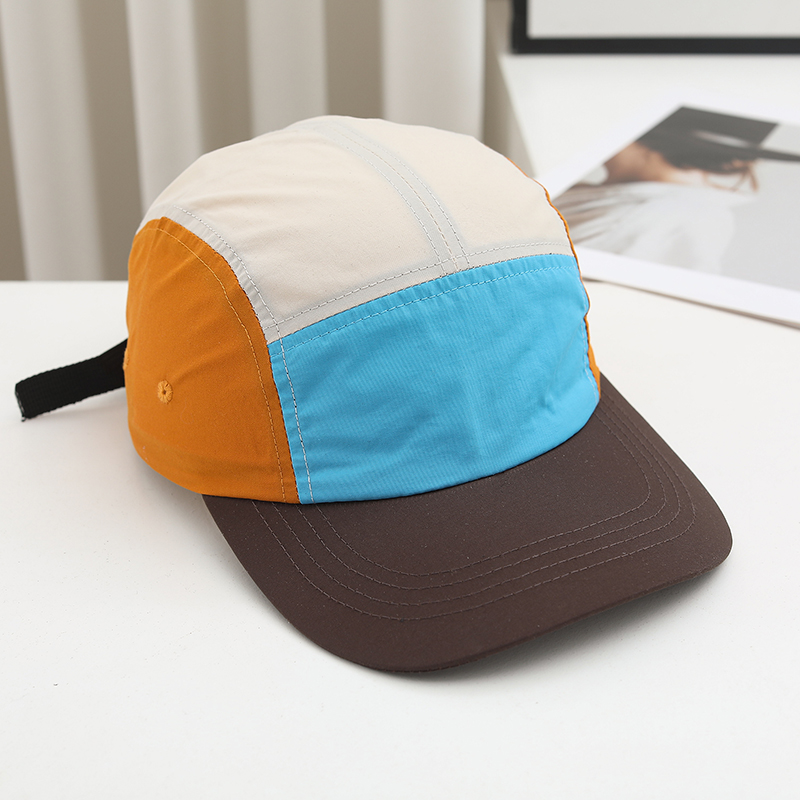
When working outdoors, even on a balcony, sun protection is paramount. Professional-grade headwear, such as the Verdant & Vine Men's And Women's Multi-color 5-piece Quick-drying Lightweight Sun-protective Adjustable American-style Casual Baseball Cap, is essential for long afternoons spent repotting or setting up irrigation. Unlike standard fashion caps, these are designed for breathability and moisture-wicking, keeping you cool while you work.
Conclusion: Investing in a Sustainable Future
The shift toward indoor smart hydroponic gardens represents a broader move toward sustainable, self-sufficient urban living. By choosing the right equipment—from high-PAR lighting to ergonomic seating and protective apparel—you create an ecosystem that supports both your culinary ambitions and your well-being. Whether you are starting with a single herb garden or building a full-scale patio vegetable patch, the focus should always be on quality, automation, and the joy of the harvest.
Start small, choose smart technology, and watch your apartment transform into a lush, productive sanctuary.
Get more like this
Subscribe for the next post from Verdant & Vine. No spam, unsubscribe anytime.
Frequently asked questions
Can I use regular ceiling lights for my indoor garden?
Standard indoor lights do not provide the full spectrum of light required for vegetable growth. Smart hydroponic systems use specialized LED grow lights that provide the necessary PAR for photosynthesis.
How much faster do plants grow in a hydroponic system compared to soil?
Hydroponic plants typically grow 30-50% faster than soil-grown plants because nutrients and oxygen are delivered directly to the roots in a highly efficient manner.
What are the best plants for a beginner apartment chef to grow?
Basil, mint, parsley, kale, lettuce, and cherry tomatoes are the most successful crops for apartment-sized smart gardens due to their compact growth habits.
Featured products

Related reading
Choosing the Best Vertical Garden Planters for Patios and Balconies
Discover how to maximize your urban outdoor space with our comprehensive guide to selecting the best vertical garden planters and patio gardening systems for high-yield urban farming.
The Ultimate Guide to Indoor Smart Hydroponic Gardens for Apartment Chefs
Upgrade your apartment kitchen with the latest in indoor smart hydroponic technology. This guide covers essential equipment, ergonomics, and maintenance for the modern urban gardener.
Embracing the Verdant Life: Integrated Solutions for Modern Indoor-Outdoor Living
Embrace the verdant life by integrating smart hydroponic technology with professional outdoor design for the ultimate urban garden sanctuary.

Achieving the Verdant Life: Integrating Smart Gardens and Outdoor Living
Transitioning to a verdant life is about more than just plants; it is a holistic approach to integrating nature and technology into your modern home environment.