Choosing the Best Vertical Garden Planters for Patios and Balconies
9/5/2026
The Rise of Small-Scale Vertical Gardening
For the modern urbanite, space is the ultimate luxury. As high-rise living becomes the norm, the desire to reconnect with nature has led to a surge in interest for functional, compact gardening solutions. Vertical garden planters and patio systems allow you to cultivate a lush environment without sacrificing valuable square footage.
Whether you are looking to grow organic kale, fresh mint for cocktails, or simply want to surround yourself with decorative greenery, choosing the right equipment is the difference between a thriving ecosystem and a failed experiment. This guide examines how to select the best vertical gardening solutions for balconies and patios, focusing on durability, water management, and aesthetic integration.
Why Choose Vertical Garden Planters for Patios?
Traditional horizontal gardening requires significant land or floor space. In contrast, vertical systems utilize height to maximize plant density. This approach offers several distinct advantages:
- Improved Airflow: Plants elevated off the ground benefit from better air circulation, which reduces the risk of fungal infections and pests.
- Ergonomic Maintenance: Products like the PulseOutdoor Garden Kneeling Bench are excellent for traditional beds, but vertical systems bring the plants to you, reducing the need for constant bending and stooping.
- Pest Mitigation: Elevating your crops makes it significantly harder for ground-dwelling pests to reach your harvest.
- Privacy Screening: Tall vertical structures can act as living walls, providing a natural privacy barrier from neighbors.
Evaluating Materials: Durability vs. Weight
When selecting a vertical planter for a balcony or patio, the material is your first consideration. You must balance the weight capacity of your balcony with the durability required for outdoor exposure.
Wood and Natural Fibers
Cedar and redwood are popular for their natural resistance to rot. They provide a classic aesthetic that fits well with traditional outdoor furniture. However, wood is heavy, especially when saturated with water and soil.
High-Density Polymers and Plastics
For the modern apartment dweller, lightweight UV-resistant plastics are often the superior choice. These materials do not leach chemicals into the soil, are easy to move during seasonal changes, and withstand extreme temperature fluctuations without cracking.
Metal and Industrial Frames
Powder-coated steel or aluminum frames offer the highest level of structural integrity. These are ideal for supporting heavier vine crops like tomatoes or cucumbers that require sturdy trellising.
Key Features of High-Yield Patio Garden Systems
Not all planters are created equal. To ensure your patio garden thrives, look for these specific functional features:
1. Integrated Drainage Systems
Standing water is the enemy of root health. A high-quality patio planter must include a drainage solution that prevents water from pooling at the bottom while also ensuring that runoff doesn't stain your patio tiles. Look for systems with internal reservoirs or tiered drainage paths.
2. Modular Design
Your gardening needs will evolve. Modular systems allow you to add or remove planting cells based on the season. This flexibility is essential for those who want to transition from spring flowers to summer vegetables.
3. Mobility
If you live in a climate with volatile weather, mobility is a necessity. Planters with locking casters allow you to move your greenery into the shade during heatwaves or indoors during frost warnings.
Essential Gear for the Patio Gardener
A successful garden requires more than just a planter. To maintain a professional-grade outdoor space, consider the following categories of equipment:
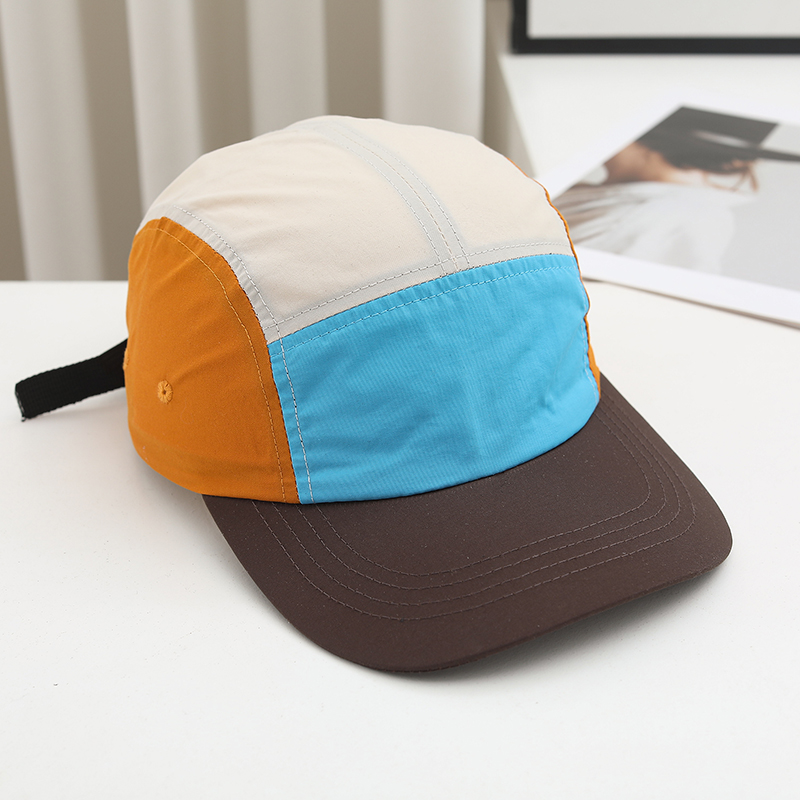
- Protective Apparel: Sun exposure is a real concern when tending to a south-facing balcony. Utilizing high-quality gear like the Verdant & Vine Multi-color Sun-protective Adjustable Baseball Cap ensures you stay comfortable during mid-day pruning sessions.
- Maintenance Tools: Precision shears, trowels, and moisture meters are fundamental. Keep your tools organized and accessible to make daily maintenance a habit rather than a chore.
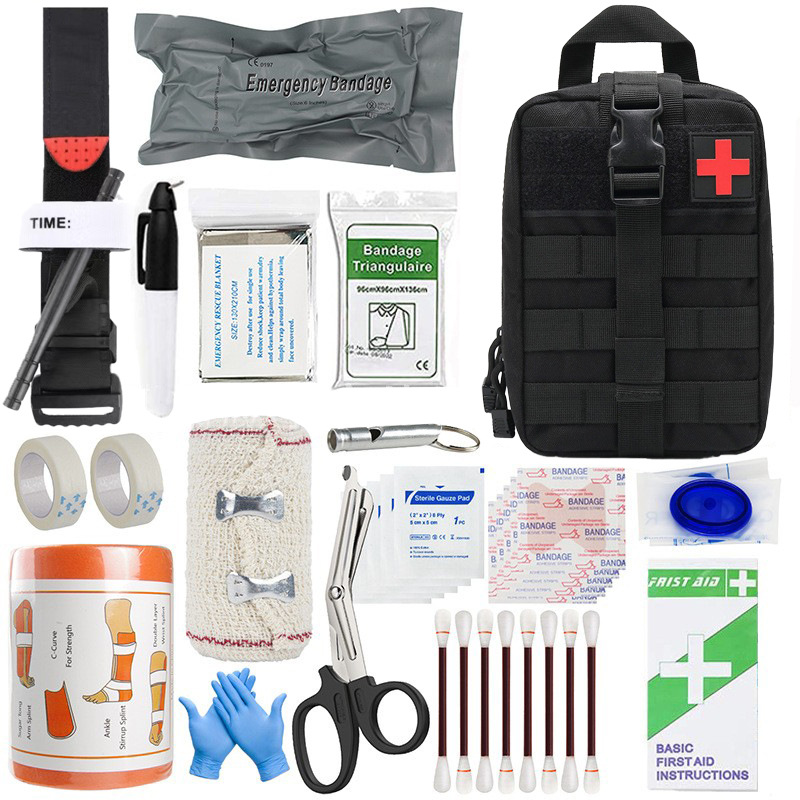
- Safety Kits: Outdoor activity, even gardening, carries minor risks. Keeping a PulseOutdoor Travel First-Aid Gear Survival Tool Kit nearby is a practical precaution for handling minor scrapes or stings.
- Relaxation Furniture: The goal of a patio garden is enjoyment. Once the work is done, items like the PulseGlow Reclining Camping Chair provide a comfortable vantage point to enjoy your urban oasis.
Selecting Plants for Vertical Success
Success in a vertical patio garden depends heavily on plant selection. Not every vegetable or flower is suited for life in a wall-mounted or tiered system.
The Best Crops for Vertical Tiers:
1. Leafy Greens: Lettuce, spinach, and arugula have shallow root systems that thrive in small pockets.
2. Trailing Herbs: Thyme, oregano, and rosemary drape beautifully over the edges of planters.
3. Strawberries: These are the gold standard for vertical gardening, as the fruit stays off the soil, preventing rot.
4. Vining Flowers: Jasmine or Clematis can be trained to climb the frame of your vertical system, providing fragrance and beauty.
Maintenance Tips for Longevity
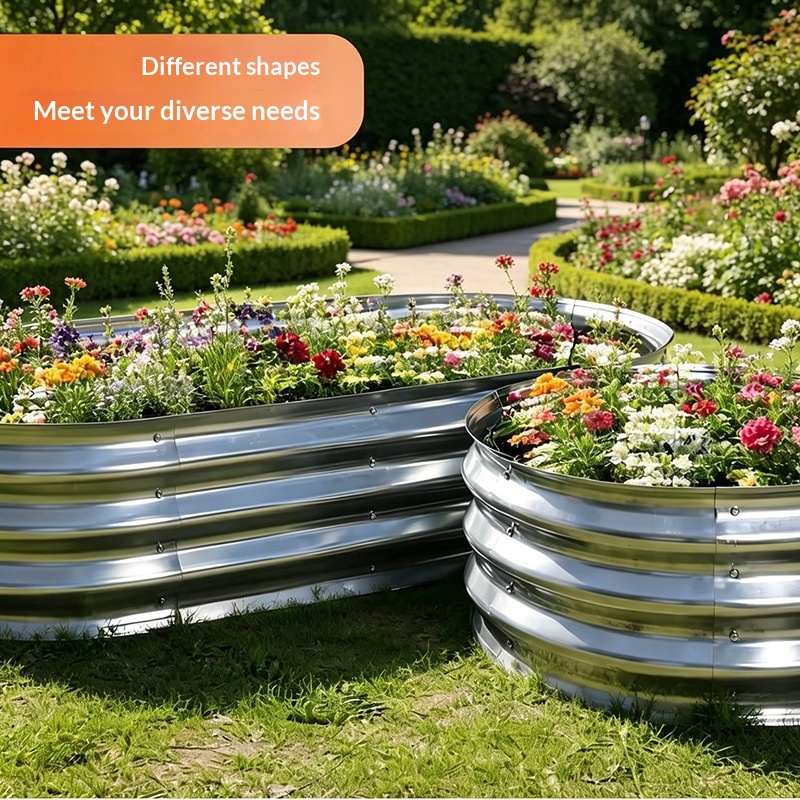
To get the most out of your investment in PulseOutdoor Garden Planter Greenery and similar systems, follow a strict maintenance schedule.
Irrigation: Vertical planters dry out faster than ground-level gardens. Consider installing a simple drip irrigation kit connected to your outdoor faucet, or commit to a daily morning watering routine.
Nutrient Management: Because the soil volume in vertical containers is limited, nutrients are depleted quickly. Use a water-soluble organic fertilizer every two weeks during the growing season to keep foliage vibrant.
Seasonal Cleaning: At the end of every growing season, empty the planters, scrub them with a mild soap solution to remove mineral deposits and pathogens, and store them properly if they are not frost-rated.
Creating a Cohesive Outdoor Aesthetic
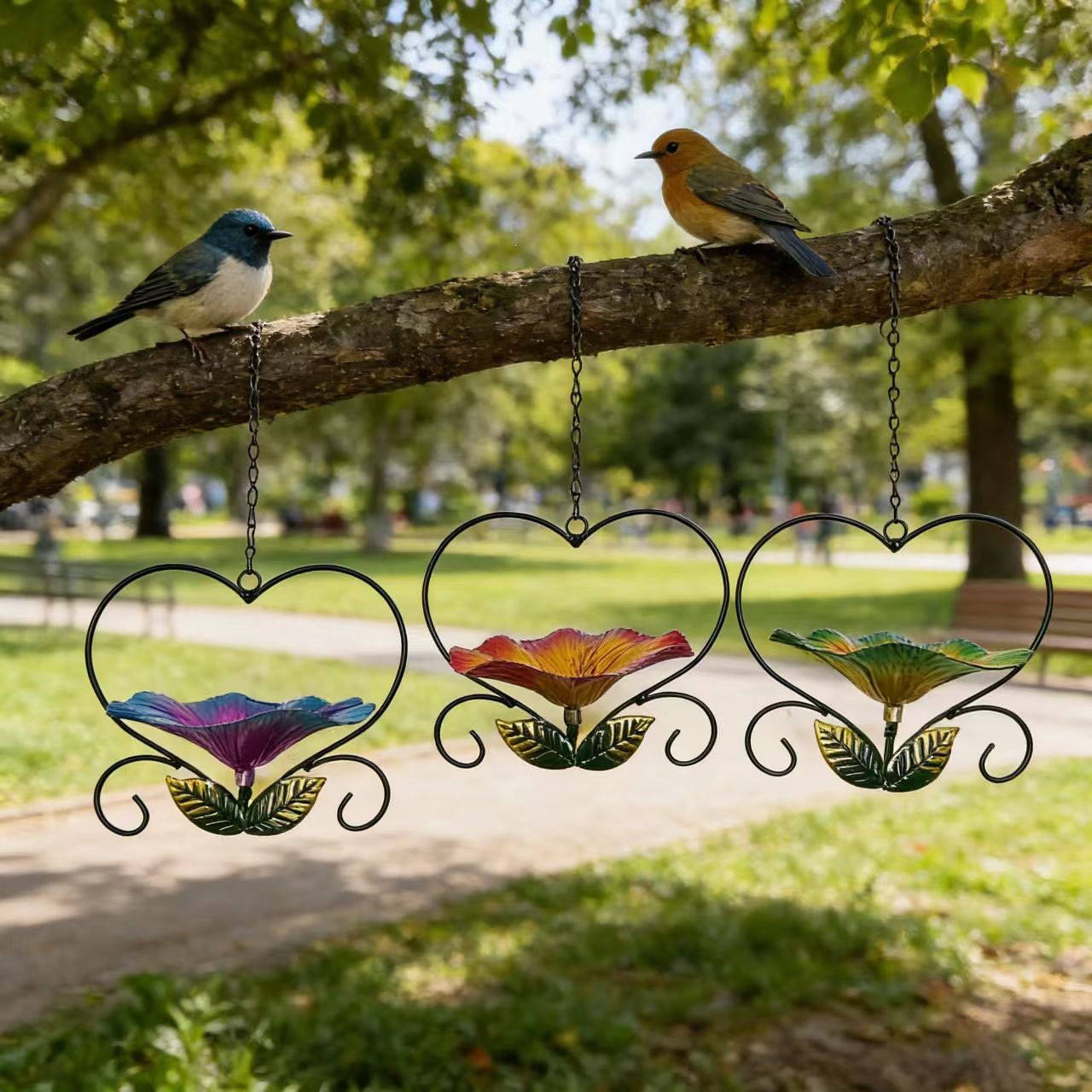
Your patio is an extension of your home. To create a seamless transition, match your garden accessories with your lifestyle. For example, if your patio serves as a social hub, incorporating PulseOutdoor Bird Feeding Garden Hanging stations can add movement and nature sounds to the environment.
For those who enjoy evening entertaining, pairing your greenery with appropriate lighting from the Ceiling Lights or Home categories can transform a daytime workspace into a sophisticated nighttime lounge. Even your personal style can reflect your hobby; many urban gardeners prefer functional fashion like the Paris Retro Street Style Baseball Cap for a blend of utility and aesthetic appeal while working outdoors.
Conclusion
Investing in the right vertical garden planters for your patio or balcony is a commitment to a healthier, more sustainable lifestyle. By prioritizing drainage, material quality, and plant compatibility, you can create a high-yield garden in the smallest of spaces. Remember that the best tools—from the planters themselves to the sun protection you wear—are those that make the process of gardening effortless and enjoyable.
Get more like this
Subscribe for the next post from Verdant & Vine. No spam, unsubscribe anytime.
Frequently asked questions
Why should I choose a vertical planter over traditional pots?
Vertical planters are ideal for small spaces like balconies and patios. They maximize square footage, provide better airflow for plants, and are easier on your back during maintenance.
What is the best material for an outdoor patio planter?
Look for UV-resistant plastics or treated cedar. These materials offer the best balance of durability, weather resistance, and weight management for balcony structures.
Can I grow vegetables in a vertical patio garden?
Yes, most leafy greens, herbs, and strawberries thrive in vertical systems. Larger vegetables like tomatoes or squash require deeper pockets and sturdy vertical support like a trellis.
How often should I water my vertical garden?
Vertical containers dry out faster than traditional beds. Depending on the sun exposure, you may need to water once daily or install a drip irrigation system for consistent moisture.
Featured products
PulseOutdoor Bird Feeding Garden Hanging
$3.99
PulseOutdoor Garden Planter Greenery
$11.60

Gradient Streetwear Baseball Cap
$3.34
PulseGlow Party Decoration Hair Accessories
$5.22
PulseOutdoor Travel First-Aid Gear Survival Tool Kit
$15.38
Verdant & Vine Men's And Women's Multi-color 5-piece Quick-drying Lightweight Sun-protective Adjustable American-style Casual Baseball Cap For Outd…
$3.50
Related reading
The Ultimate Guide to Indoor Smart Hydroponic Gardens for Apartment Chefs
Upgrade your apartment kitchen with the latest in indoor smart hydroponic technology. This guide covers essential equipment, ergonomics, and maintenance for the modern urban gardener.
The Ultimate Guide to Choosing a Smart Hydroponic Garden for Apartment Chefs
Discover how to choose the best indoor smart hydroponic systems for apartment living and transform your kitchen into a chef's paradise with our expert guide.
Embracing the Verdant Life: Integrated Solutions for Modern Indoor-Outdoor Living
Embrace the verdant life by integrating smart hydroponic technology with professional outdoor design for the ultimate urban garden sanctuary.

Achieving the Verdant Life: Integrating Smart Gardens and Outdoor Living
Transitioning to a verdant life is about more than just plants; it is a holistic approach to integrating nature and technology into your modern home environment.